-
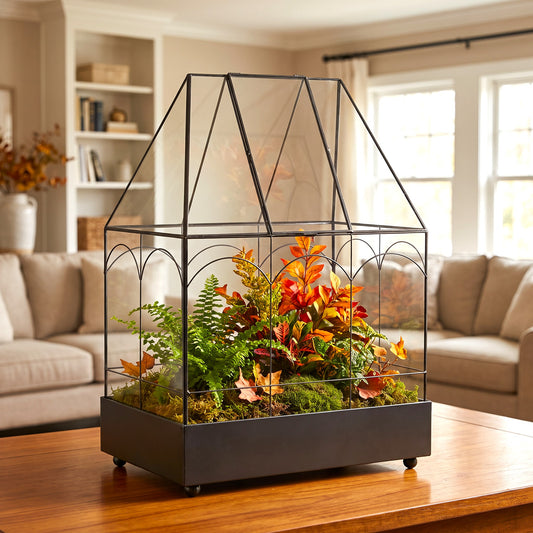
H Potter Timeless Wardian Case Terrarium – Small Sealed Glass Design
Regular price $98.50Regular priceUnit price per -
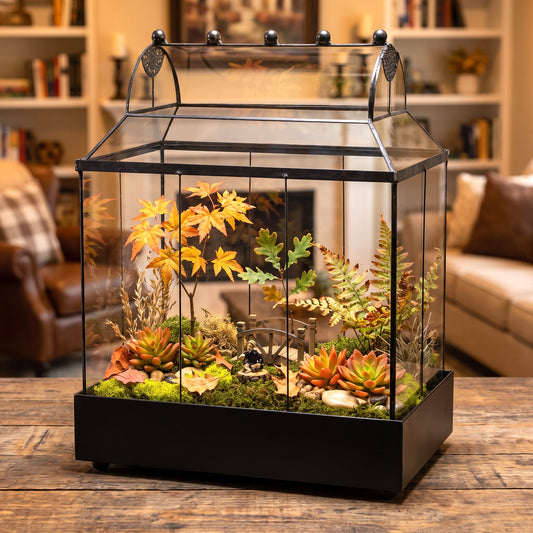
H Potter Barrel Vault Glass Terrarium – Large Indoor Wardian Case
Regular price $359.50Regular priceUnit price per -
H Potter Classic Glass Terrarium – Wardian Case for Plants
Regular price $189.50Regular priceUnit price per -
H Potter Large Terrarium Wardian Case - Glass Plant Container
Regular price $359.50Regular priceUnit price per -
H Potter Estate Glass Terrarium Wardian – Indoor Garden
Regular price $269.50Regular priceUnit price per -
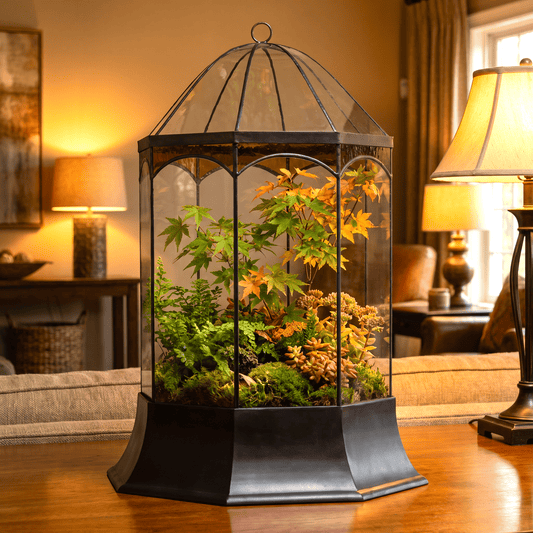
H Potter Eight-Sided Glass Terrarium – Large Wardian Case
Regular price $359.00Regular priceUnit price per -
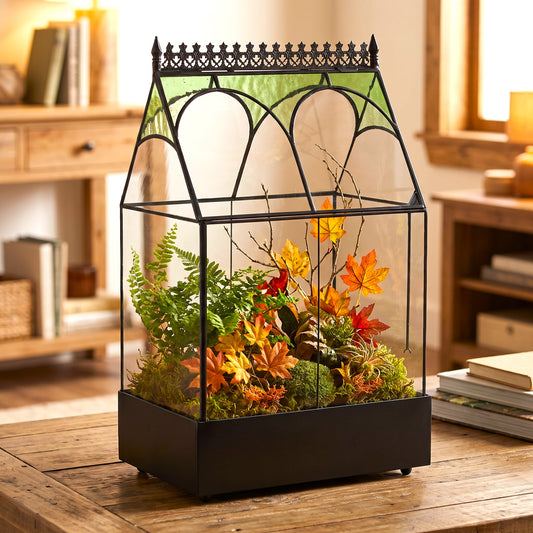
H Potter Glass Terrarium - Vintage Green Wardian Case
Regular price $219.50Regular priceUnit price per -
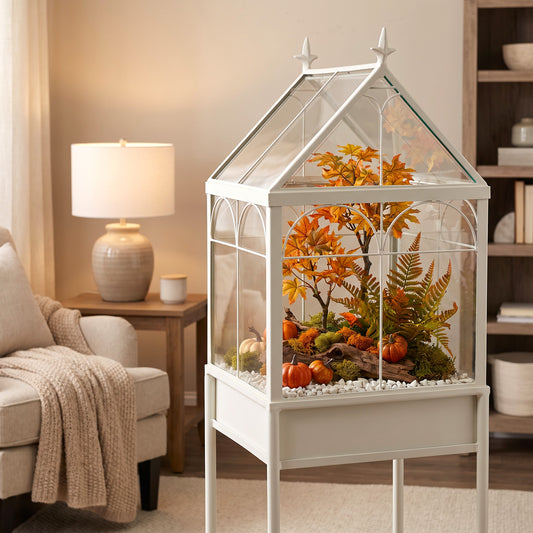
H Potter Square Freestanding Wardian Case Terrarium
Regular price $289.50Regular priceUnit price per -
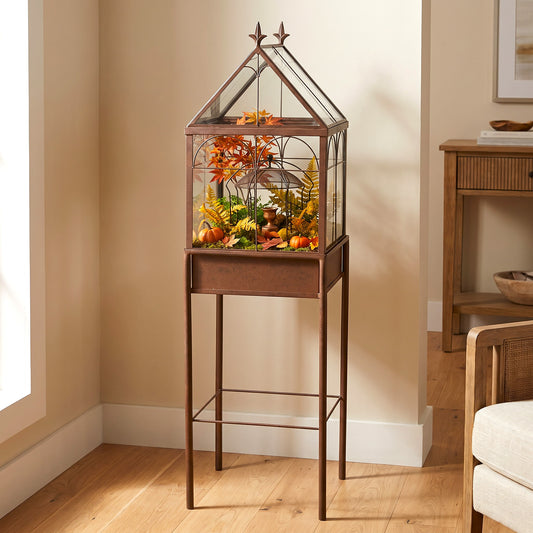
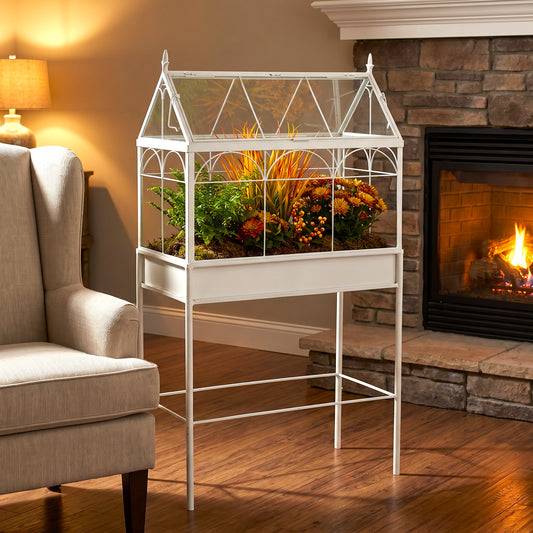
H Potter Large Freestanding Wardian Case Terrarium
Regular price $529.00Regular priceUnit price per -
H Potter Square Freestanding Wardian Case Terrarium HP504W
Regular price $289.50Regular priceUnit price per -
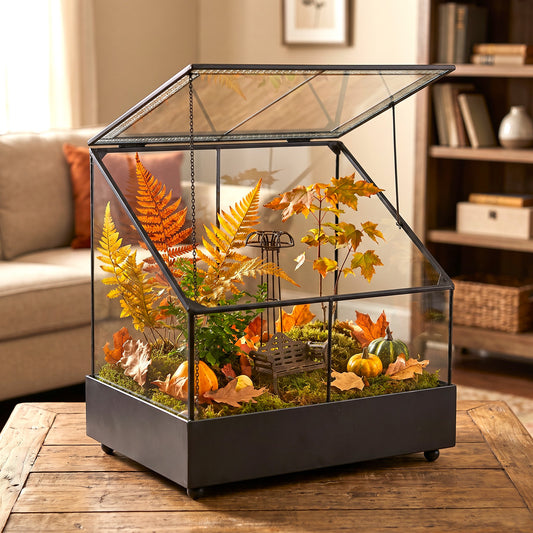
H Potter Glass Terrarium | Hinged Roof Wardian Case
Regular price $198.50Regular priceUnit price per -
H Potter Glass Terrarium | Heirloom Wardian Case Planter
Regular price $269.50Regular priceUnit price per -
H Potter Terrarium - Conservatory Wardian Case – Tabletop Greenhouse
Regular price $159.50Regular priceUnit price per -
H Potter Enduring Terrarium - Wardian Case
Regular price $159.50Regular priceUnit price per -
H Potter Six Sided Terrarium Wardian Case
Regular price $139.00Regular priceUnit price per -
H Potter Barrel Roof Wardian Case Terrarium – Curved Glass Tabletop Display
Regular price $98.50Regular priceUnit price per